
-
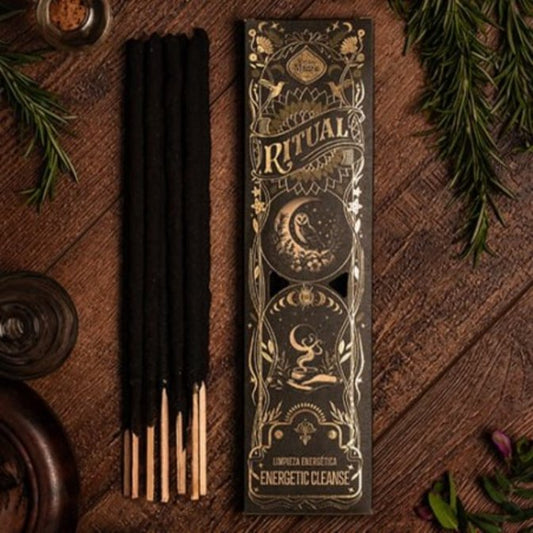
Energy Cleansing Ritual Incense
Regular price $14.50 AUDRegular priceUnit price per -
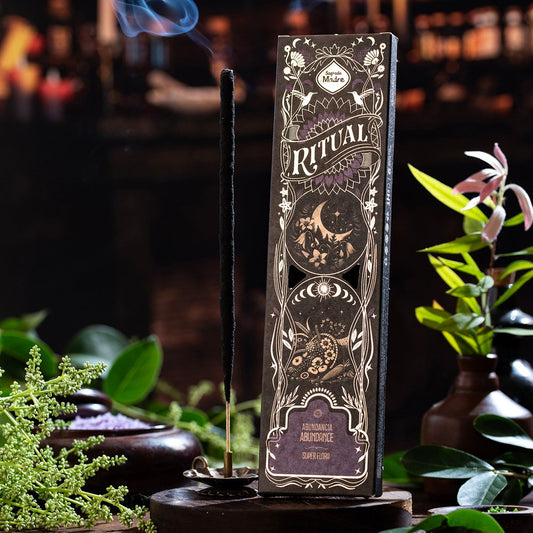
Abundance Ritual Incense
Regular price $14.50 AUDRegular priceUnit price per -
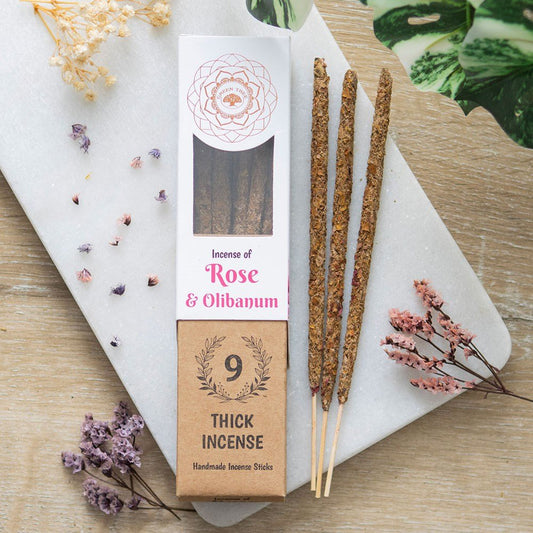
Rose & Olibanum Incense – 9 Thick Natural Sticks
Regular price $7.95 AUDRegular priceUnit price per -
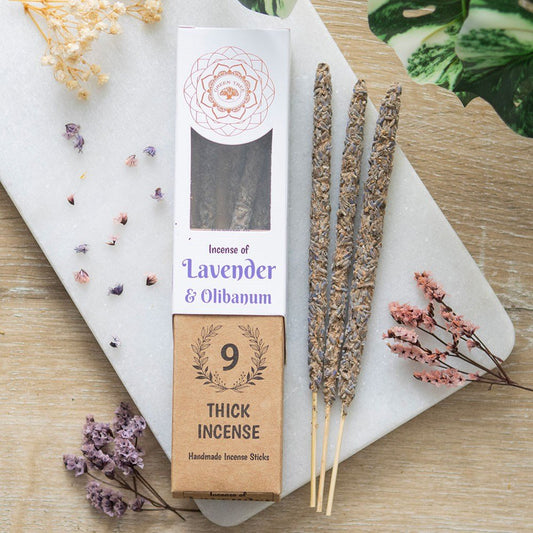
Lavender & Olibanum Incense – 9 Thick Natural Sticks
Regular price $7.95 AUDRegular priceUnit price per -
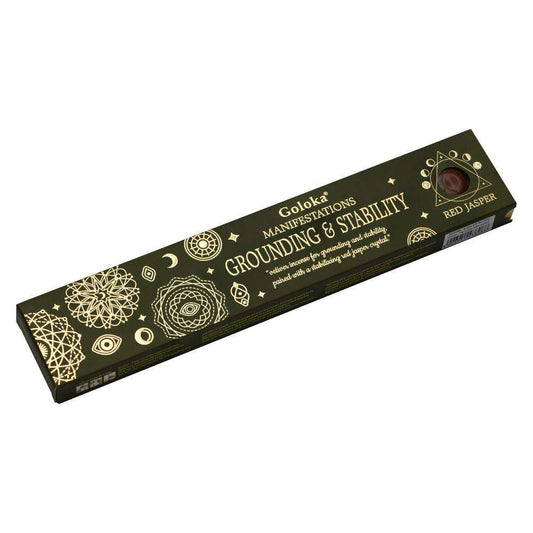
Goloka Manifestation Incense – Grounding and Stability with Red Jasper
Regular price $6.95 AUDRegular priceUnit price per -
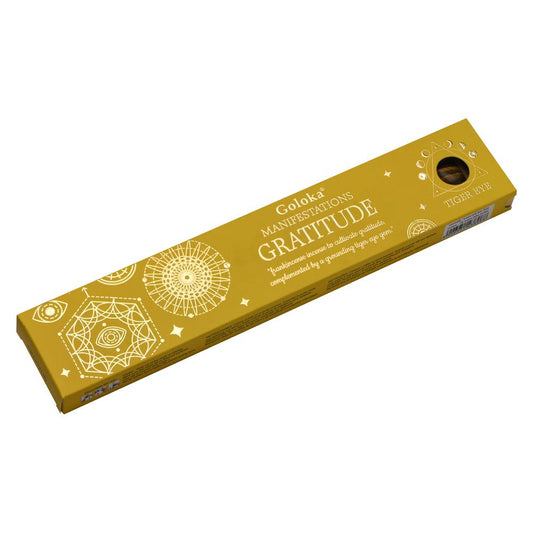
Goloka Manifestation Incense – Gratitude with Tiger Eye
Regular price $6.95 AUDRegular priceUnit price per -
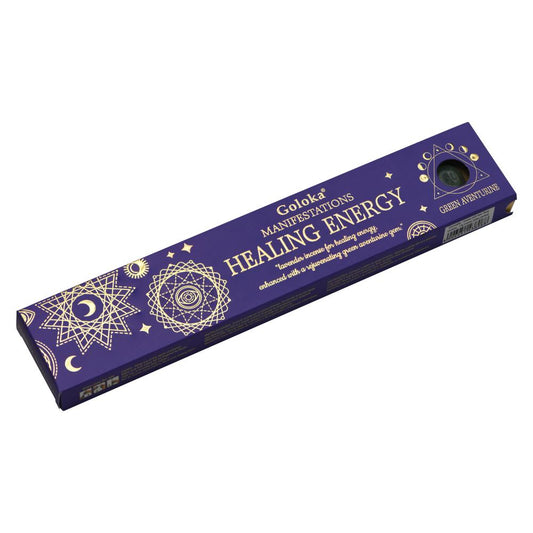
Goloka Manifestation Incense – Healing Energy with Green Adventurine
Regular price $6.95 AUDRegular priceUnit price per -

 Sold out
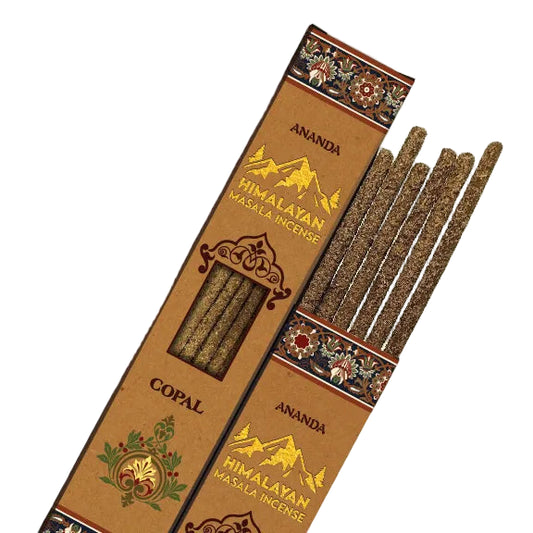
Ananda Smudging Incense- Copal
Regular price $6.95 AUDRegular priceUnit price per -
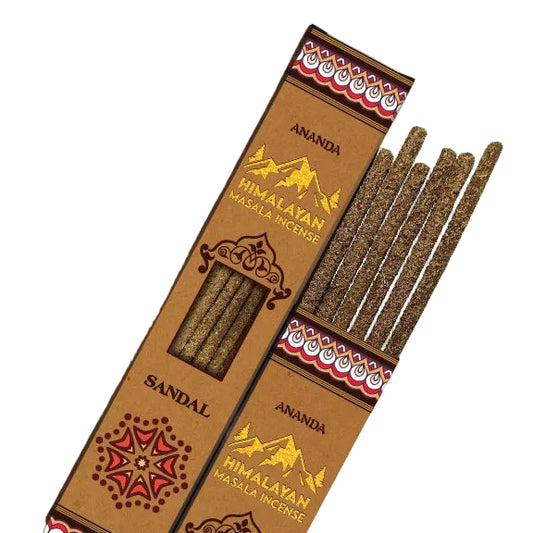
Ananda Smudging Incense - Sandalwood
Regular price $6.95 AUDRegular priceUnit price per -
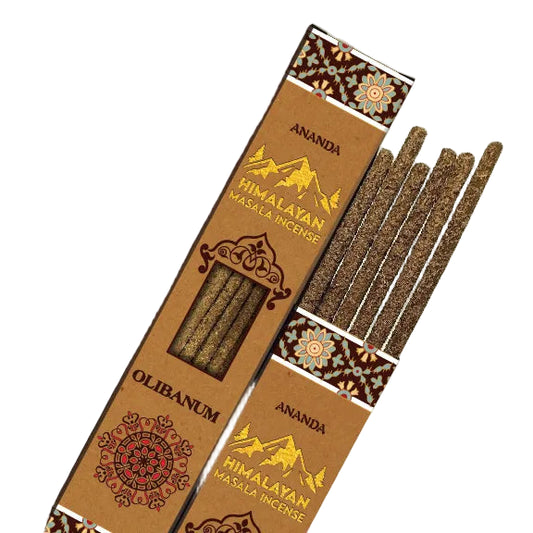
Ananda Smudging Incense - Frankincense/Olibanum
Regular price $6.95 AUDRegular priceUnit price per -

 Sold out
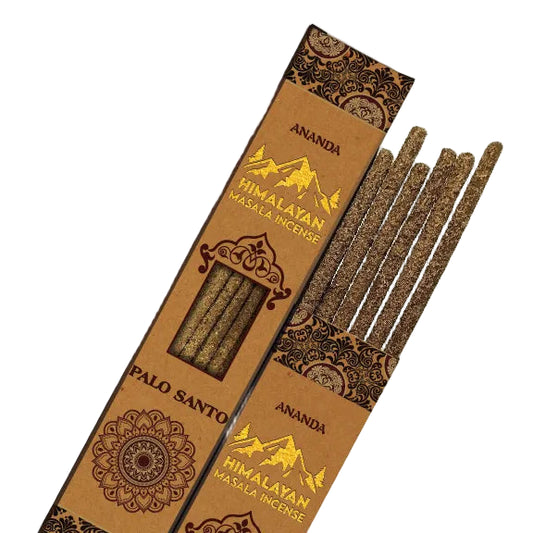
Ananda Smudging Incense - Palo Santo
Regular price $6.95 AUDRegular priceUnit price per -
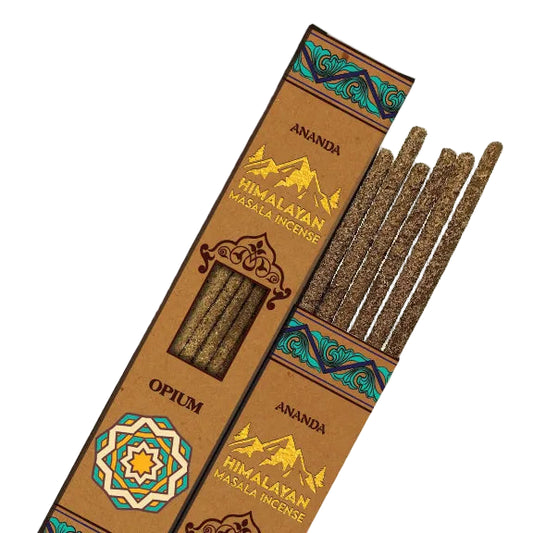
Ananda Smudging Incense - Opium
Regular price $6.95 AUDRegular priceUnit price per -
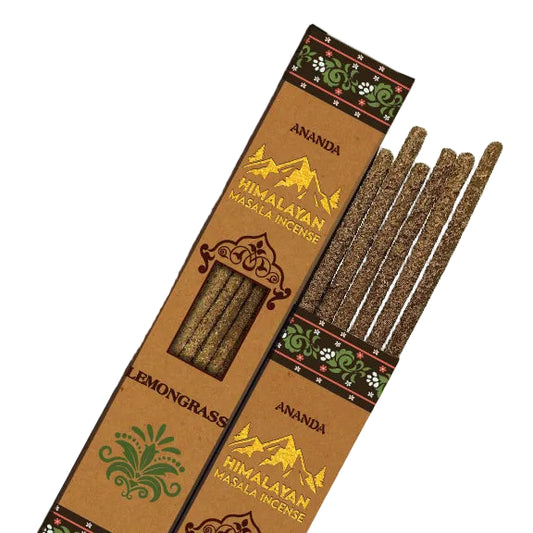
Ananda Smudging Incense - Lemongrass
Regular price $6.95 AUDRegular priceUnit price per -
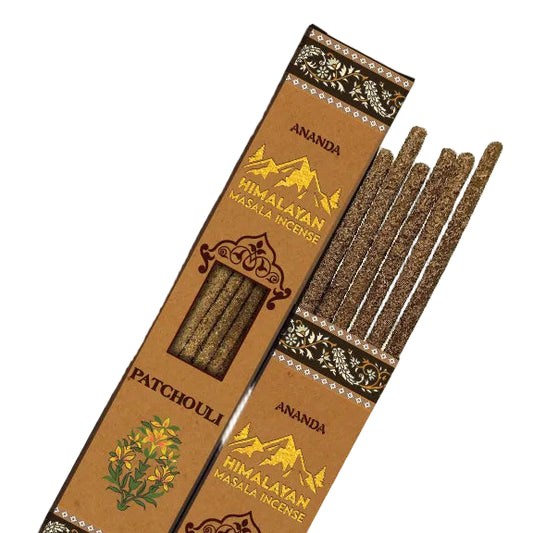
Ananda Smudging Incense - Patchouli
Regular price $6.95 AUDRegular priceUnit price per -
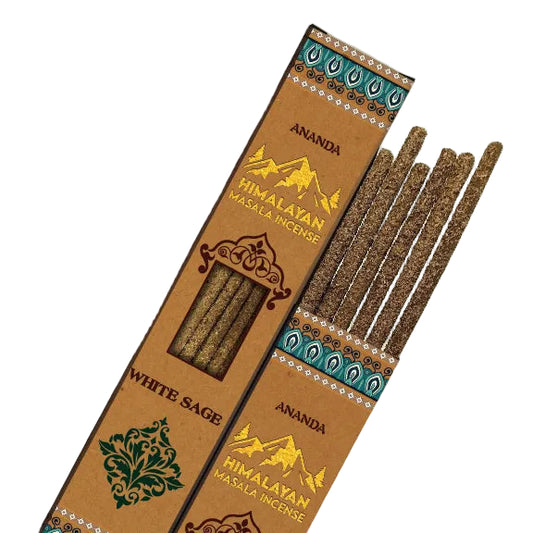
Ananda Smudging Incense - White Sage
Regular price $6.95 AUDRegular priceUnit price per -
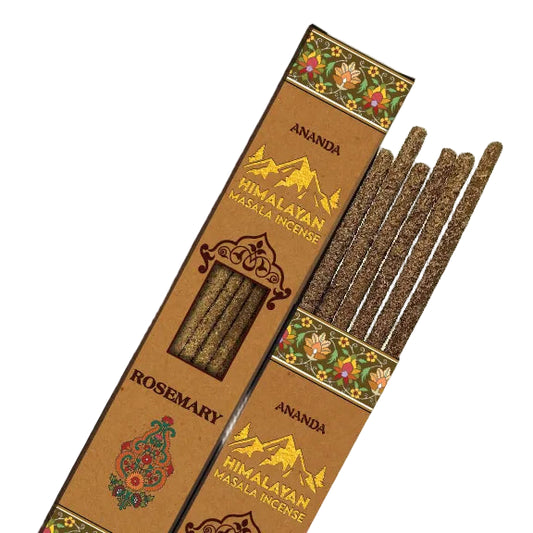
Ananda Smudging Incense - Rosemary
Regular price $6.95 AUDRegular priceUnit price per -

 Sold out
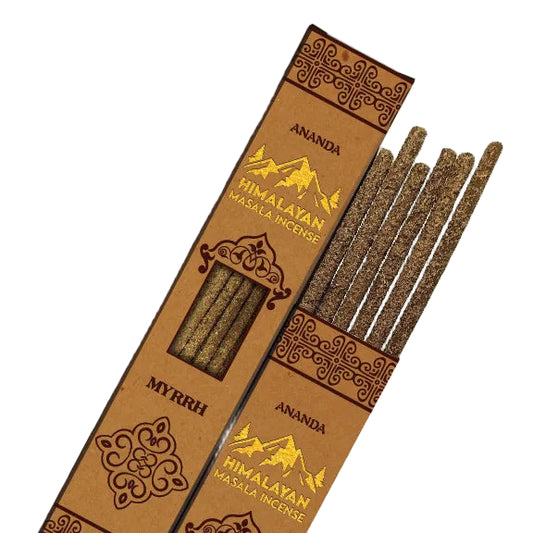
Ananda Smudging Incense - Myrrh
Regular price $6.95 AUDRegular priceUnit price per -
Ananda Smudging Incense - Lavender
Regular price $6.95 AUDRegular priceUnit price per -
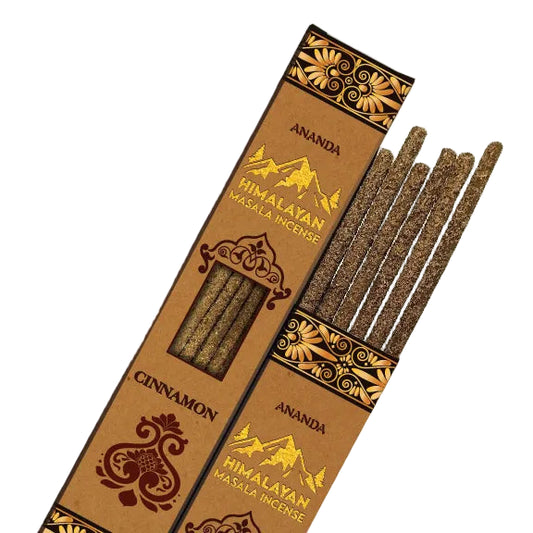
Ananda Smudging Incense - Cinnamon
Regular price $6.95 AUDRegular priceUnit price per -
Sagrada Madre Palo Santo & Sandalwood Incense
Regular price $8.95 AUDRegular priceUnit price per -
Sagrada Madre Palo Santo and Frankincense Incense
Regular price $8.95 AUDRegular priceUnit price per -
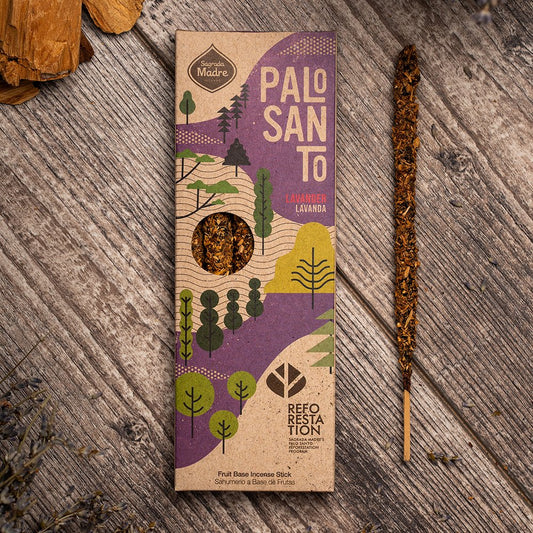
Sagrada Madre Palo Santo & Lavender Incense
Regular price $8.95 AUDRegular priceUnit price per -
Sagrada Madre Botanical Incense Clove Rose
Regular price $12.95 AUDRegular priceUnit price per -
Sagrada Madre Botanical Incense Green Tea Champa
Regular price $12.95 AUDRegular priceUnit price per -
Sagrada Madre Botanical Incense - Gardenia Calendula
Regular price $12.95 AUDRegular priceUnit price per -
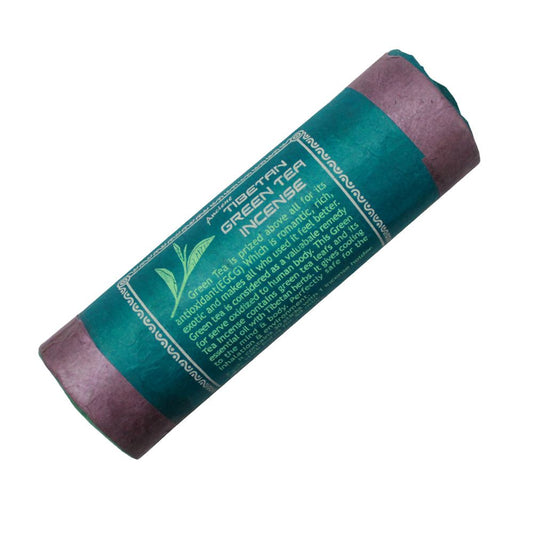
Tibetan Incense - Green Tea
Regular price $10.00 AUDRegular priceUnit price per -
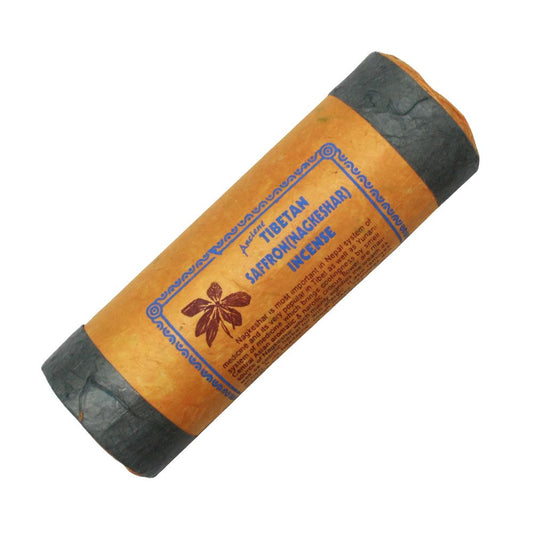
Tibetan Incense - Saffron (Nagkeshar)
Regular price $10.00 AUDRegular priceUnit price per -
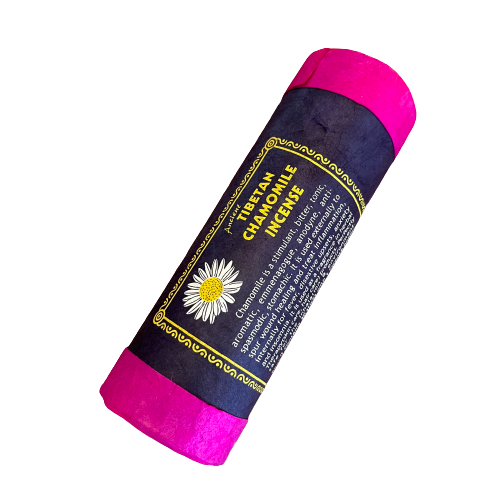
Tibetan Incense - Chamomile
Regular price $10.00 AUDRegular priceUnit price per -
Tibetan Incense White Lotus
Regular price $10.00 AUDRegular priceUnit price per -
Tibetan Incense - Himalayan Spice
Regular price $10.00 AUDRegular priceUnit price per -
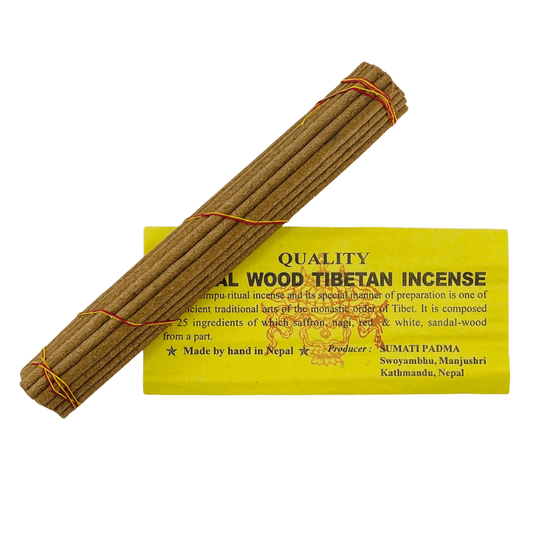
Tibetan Incense - Sandalwood Ritual Incense
Regular price $8.95 AUDRegular priceUnit price per -
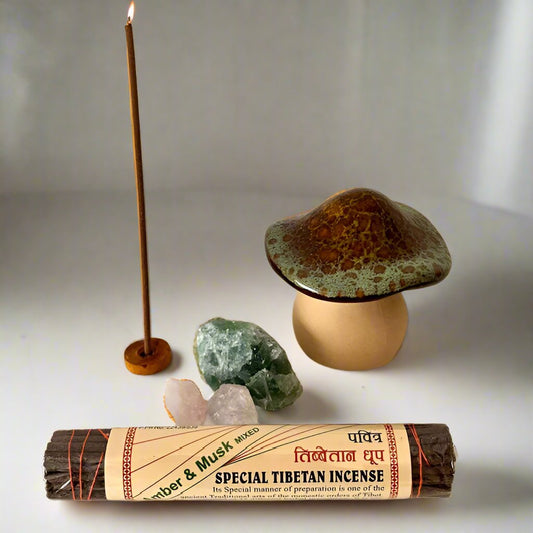
Tibetan Incense - Amber and Musk
Regular price $9.95 AUDRegular priceUnit price per -
Tibetan Incense - Snowlion Ritual Incense
Regular price $9.95 AUDRegular priceUnit price per -
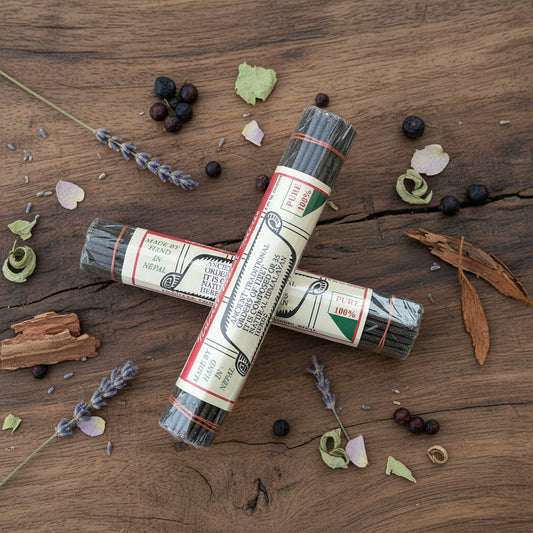
Tibetan Incense - Natural Herbal Incense
Regular price $9.95 AUDRegular priceUnit price per -
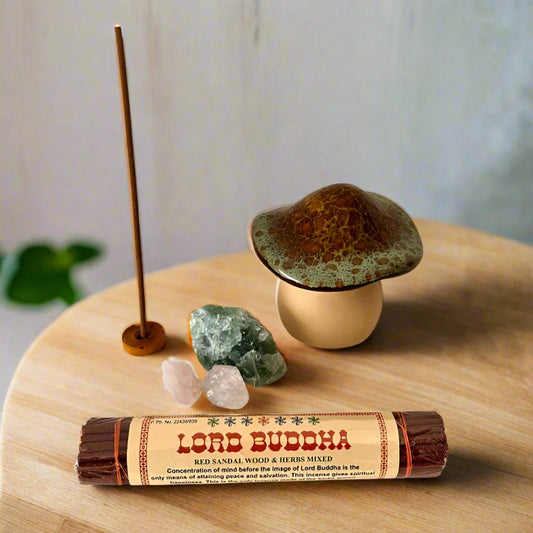
Tibetan Incense - Lord Buddha Traditional Incense
Regular price $9.95 AUDRegular priceUnit price per -
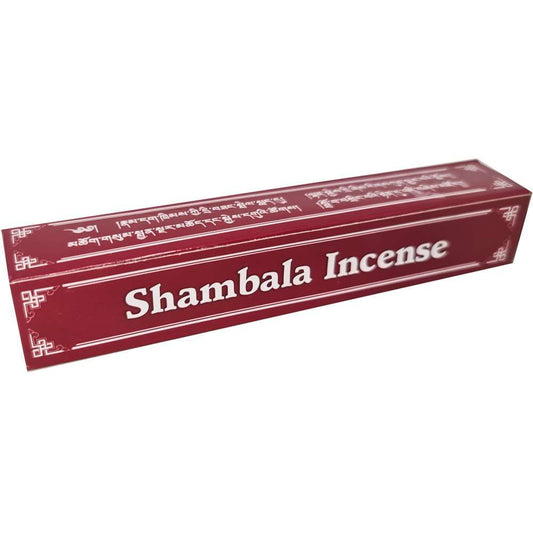
Tibetan Incense -Shambala Herbal
Regular price $5.95 AUDRegular priceUnit price per


































Frequently asked questions
What is the difference between resin incense and stick incense?
What herbs are used in Tibetan incense?
What is makko powder?
Why do some incenses produce more smoke?
What woods are commonly used in incense?
What resins are commonly used in incense?